
Army Tents: Robust Shelters for Military and Tactical Operations
Discover a wide range of high-quality storage tents designed for secure and weather-resistant protection. Built with durable materials, these tents provide spacious and versatile storage solutions for equipment, inventory, and industrial use. Whether you need temporary or long-term storage, our tents are easy to set up, reliable, and designed to withstand various environmental conditions. Find the perfect storage tent to keep your goods safe and organized in any setting. Army tents are durable and specialized structures used by military forces for various purposes such as field camps, tactical operations, logistics, and emergency relief. These tents are designed to offer reliable shelter in the most challenging environments, from extreme heat to freezing cold and harsh terrains.
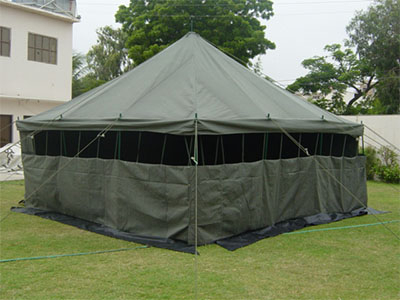
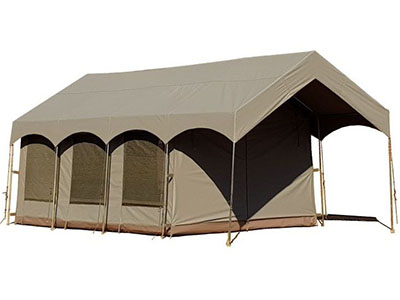
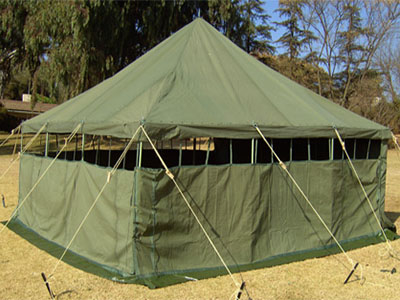
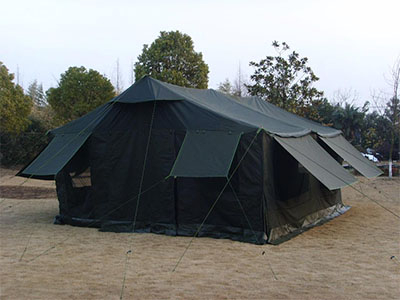
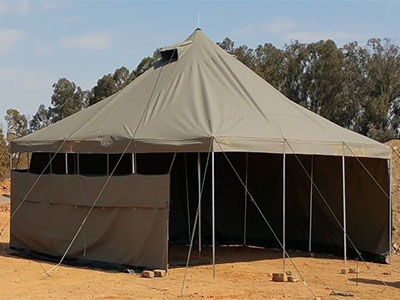
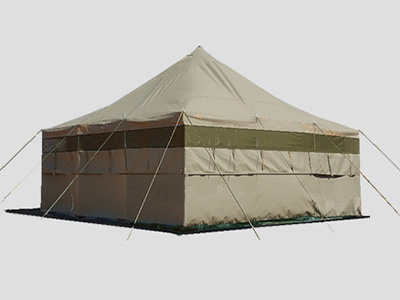
What Are Army Tents?
Army tents are large, heavy-duty tents constructed to provide temporary or long-term shelter for soldiers in the field. These tents are made from robust, weather-resistant materials such as canvas, PVC, or advanced synthetic fabrics, designed to withstand the rigors of outdoor use. The design of army tents prioritizes portability, ease of setup, and functionality, making them suitable for a wide range of military applications.
Features and Benefits of Army Tents
- Durability: Army tents are built to withstand extreme weather conditions, such as strong winds, heavy rain, snow, and intense sunlight. The fabric is often treated with waterproof and flame-retardant coatings to provide added protection.
- Easy Setup and Portability: Despite their large size, army tents are designed for rapid setup and takedown, allowing military personnel to establish camp quickly. The tents are lightweight enough to be transported by military vehicles, making them highly portable.
- Versatile Uses: Army tents are used for a variety of purposes, including as barracks, medical stations, command centers, supply depots, and storage facilities. They can be customized to meet the needs of specific military operations.
- Comfort and Protection: Army tents offer protection from the elements, providing soldiers with a safe, sheltered environment to rest, sleep, and carry out tasks. Some army tents are equipped with insulated linings to offer warmth in cold weather.
- Security: Many army tents come with secure entry points, zippers, and additional locking systems to prevent unauthorized access, ensuring the safety of soldiers and sensitive equipment.
- Customizable Options: Depending on the mission, army tents can be fitted with features such as windows, ventilation systems, power supply options, and storage compartments. These customizations help increase comfort and operational efficiency.
- Fire Resistance: Most army tents are made from flame-resistant fabrics to reduce the risk of fire hazards in battle zones, field operations, or military bases.
- Space Efficiency: Army tents are designed to maximize available space, often featuring multiple compartments or rooms to accommodate different functions, such as sleeping quarters, command centers, and storage areas.
Common Types of Army Tents
- Modular Tents: Modular army tents are designed for quick expansion or reconfiguration. They consist of multiple sections that can be added or removed based on the number of personnel or the specific needs of the operation.
- Sibley Tents: Traditional Sibley tents are cone-shaped tents used by armies for centuries. They are characterized by a central support pole and provide a spacious interior, often used for sleeping quarters or communal areas.
- Pyramid Tents: Pyramid-style army tents are simple and effective, providing shelter with a peaked roof for better water runoff. These tents are lightweight, easy to set up, and often used for smaller operations or as personal shelters for soldiers.
- Command and Communication Tents: These are large tents designed to serve as mobile command centers, equipped with necessary communication equipment, tables, and storage for maps and supplies. They are built to house the leadership team during field operations.
- Medical Tents: Medical tents are equipped with features necessary for setting up temporary field hospitals, including ample space, ventilation, and storage for medical supplies. These tents are essential for providing emergency healthcare in combat zones or disaster areas.
- Shelter Tents: Smaller than traditional army tents, shelter tents are used for individual soldiers or small teams. They are lightweight and designed for personal shelter in tactical operations.
- Inflatable Tents: Some modern army tents use inflatable technology for easy setup and portability. These tents are particularly useful for rapid deployment in emergency or disaster relief scenarios.
How Army Tents Are Used
- Field Camps: In military operations, soldiers often need temporary accommodations in remote or hostile environments. Army tents are used to create field camps that serve as living quarters, storage spaces, and workstations.
- Medical Stations: In the aftermath of combat or natural disasters, army tents serve as mobile medical stations for treating casualties. These tents provide the space necessary for setting up field hospitals and triage areas.
- Command Centers: During military operations, army tents are used as command centers to manage logistics, communicate orders, and coordinate movements. They often include communication equipment and strategic planning tools.
- Storage: Army tents can be used to store supplies, ammunition, food, and other materials required for field operations. These tents are especially useful when large quantities of goods need to be stored temporarily in remote locations.
- Training Exercises: Army tents are also used during training exercises, providing soldiers with an environment to practice setting up camp, organizing resources, and living in the field.
- Disaster Relief: Army tents play a key role in disaster relief operations, providing temporary shelters for people affected by natural disasters such as earthquakes, floods, or hurricanes. These tents are rapidly deployed and serve as emergency shelters for displaced individuals.
- Logistics Support: Army tents can be set up as logistical hubs for sorting, packing, and distributing supplies. These tents are often used during large-scale operations to support soldiers with necessary resources.
Key Considerations When Choosing Army Tents
- Size: Army tents come in various sizes, ranging from small individual shelters to large modular units capable of housing hundreds of people. The required size depends on the number of personnel, the mission, and the available space.
- Material: The fabric of army tents must be strong and durable to withstand harsh conditions. Common materials include canvas, PVC-coated polyester, and other synthetic fabrics that are UV resistant, waterproof, and flame-retardant.
- Weather Resistance: Army tents must be able to handle extreme weather, from hot deserts to frigid mountain climates. Ensure that the tent has adequate insulation, ventilation, and waterproofing for the specific environmental conditions.
- Ease of Setup: Army tents should be easy to set up and tear down, especially in high-pressure situations. Many tents feature quick-assembly frames or inflatable structures to speed up deployment.
- Security Features: Depending on the nature of the operation, army tents may need enhanced security features such as reinforced zippers, locks, and anti-theft designs.
- Ventilation: Proper ventilation is crucial in army tents, especially for medical tents or command centers, where air circulation is necessary to maintain comfort and prevent the buildup of heat and humidity.
- Storage Options: Consider the amount of internal storage required. Some army tents have built-in compartments or hooks to store equipment, clothing, and supplies, keeping the space organized and functional.
Advantages of Army Tents
- Reliability in Harsh Conditions: Army tents are engineered to perform under extreme weather conditions, offering protection from rain, wind, and cold temperatures.
- Quick Setup: The tents are designed for rapid deployment, crucial in military operations or emergency situations where time is of the essence.
- Cost-Effective: Army tents are a more affordable alternative to permanent structures, especially when temporary shelters are needed in the field.
- Mobility: Tents are portable and can be easily transported by military vehicles, making them ideal for operations in various terrains.
- Multi-Use: Army tents serve a wide range of functions, from personal shelters to command posts, medical facilities, and storage units, making them versatile tools for various military tasks.
FAQs
Q1. How long do army tents last?
The lifespan of army tents varies based on usage, maintenance, and environmental conditions. Well-maintained tents can last 5-10 years or more, depending on the material and design.
Q2. Can army tents withstand extreme weather conditions?
Yes, army tents are designed to handle extreme weather conditions, including high winds, heavy rainfall, snow, and intense heat, making them suitable for use in diverse environments.
Q3. Are army tents easy to transport?
Yes, army tents are typically lightweight and compact when packed, making them easy to transport by trucks, helicopters, or other military vehicles.
Q4. Can army tents be used in civilian applications?
Yes, army tents are used in civilian situations such as disaster relief, camping, and large outdoor events due to their durability and versatility.
Q5. Are army tents fire-resistant?
Most army tents are made from fire-resistant materials or are treated to reduce the risk of fire, ensuring safety in high-risk environments.