
Artificial Grass: The Smart Choice for Modern Landscaping
Artificial grass, once limited to sports fields and commercial spaces, has now become a favorite for homeowners, businesses, and even urban planners looking for a sustainable and aesthetically pleasing alternative to natural lawns. Thanks to advances in technology, artificial turf now looks more realistic, performs better, and offers long-term benefits for a wide range of applications. Whether you want to cut down on water bills, enjoy a green lawn year-round, or create a safe space for kids and pets, artificial grass provides a practical and attractive solution.
What Is Artificial Grass?
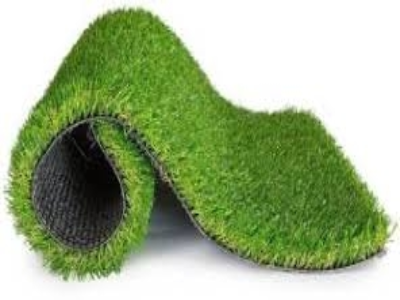
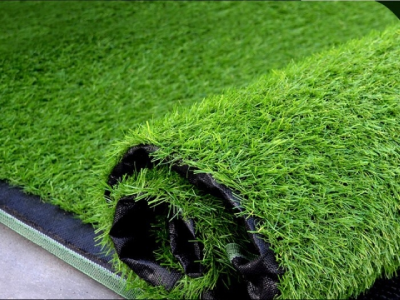
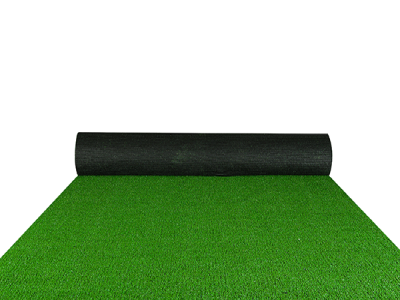
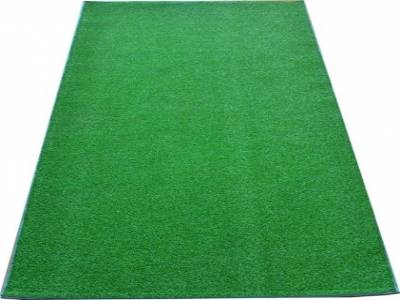
Artificial grass, also known as synthetic turf, is a man-made surface composed of synthetic fibers designed to mimic the appearance and texture of natural grass. These fibers are typically made from polyethylene, polypropylene, or nylon, and are stitched into a backing material that allows for durability and proper drainage. Originally developed for athletic stadiums in the 1960s, synthetic turf has come a long way in appearance and functionality, now used in residential, commercial, and recreational settings.
Benefits of Artificial Grass
One of the biggest reasons artificial grass has gained popularity is the convenience it offers. Unlike natural grass, it requires virtually no maintenance. There’s no mowing, watering, fertilizing, or reseeding. A simple rinse and occasional brushing are enough to maintain its appearance. This makes it an excellent choice for those who want a lush, green lawn without the hassle.
Water conservation is another major advantage. Natural lawns demand thousands of gallons of water each year, especially in arid or drought-prone regions. Artificial turf helps reduce water usage by up to 70%, which can significantly lower utility bills and contribute to environmental sustainability.
Durability is also a key benefit. High-quality synthetic turf can withstand heavy foot traffic, harsh weather, and active pets without developing patches or mud. It’s ideal for playgrounds, sports fields, dog runs, and high-use backyard spaces. Moreover, artificial grass maintains a neat, vibrant appearance throughout the year, regardless of the season.
For allergy sufferers, synthetic grass offers a cleaner alternative to natural lawns, which can harbor pollen, mold, and insects. With artificial turf, you eliminate common allergens, making outdoor time more enjoyable and less irritating.
Choosing the Right Artificial Grass
When selecting artificial grass, several key factors should be considered. Pile height, or the length of the blades, affects both the appearance and functionality of the turf. Shorter piles are better for areas with heavy foot traffic, while longer blades create a more luxurious look ideal for lawns or gardens.
Density is another important feature. The more fibers packed into a square inch, the fuller and more realistic the turf looks and feels. While high-density turf may come with a higher price tag, it typically offers better durability and visual appeal.
Pay attention to the backing material as well. A strong backing with adequate drainage ensures the turf will remain stable and functional over time. Additionally, opt for UV-protected turf to prevent fading and brittleness caused by prolonged sun exposure.
Finally, a solid warranty is a good indicator of quality. Most reputable artificial grass products come with warranties ranging from 8 to 15 years, reflecting the manufacturer’s confidence in the product’s longevity.
What Does Artificial Grass Cost?
The cost of artificial turf depends on several variables, including the quality of the grass, the size of the area, and the complexity of the installation. On average, you can expect to pay between $5 to $15 per square foot for materials and labor combined. While this is more expensive than seeding or sodding a natural lawn, artificial grass offers significant savings over time by eliminating water bills, landscaping services, and maintenance products.
Is Artificial Grass Environmentally Friendly?
Artificial grass has both pros and cons when it comes to environmental impact. On the positive side, it drastically reduces water consumption, eliminates the need for fertilizers and pesticides, and lowers emissions by removing the need for mowing equipment. However, it is made from plastic and can become hot under the sun. Disposal and recycling at the end of its life can also be challenging.
Fortunately, some manufacturers now offer recyclable turf products and use sustainable production methods. Choosing a company committed to eco-friendly practices can help reduce your environmental footprint.
Frequently Asked Questions (FAQs)
1. How long does artificial grass last?
Artificial grass typically lasts between 10 to 20 years, depending on the quality of the turf and how well it’s maintained. UV protection and professional installation can help extend its life.
2. Is artificial grass safe for pets and children?
Yes, most artificial turf is made from non-toxic materials and is safe for both kids and pets. There are even specialized pet-friendly options designed to resist odors and provide proper drainage.
3. Does artificial grass get hot?
Artificial grass can become warm in direct sunlight, especially during hot summer days. However, using shade structures, light-colored infill, or simply spraying it with water can help cool it down.
4. Can weeds grow through artificial grass?
While uncommon, weeds can sometimes grow around the edges or through drainage holes if not properly sealed. Installing a high-quality weed barrier beneath the turf can prevent this.
5. Is artificial grass cheaper than natural grass in the long run?
Yes. While the upfront cost is higher, artificial turf eliminates ongoing expenses like watering, mowing, fertilizing, and reseeding, making it a cost-effective choice over time.