
Grain Bags: Essential Storage Solutions for Bulk Grain Handling
Discover a wide range of high-quality storage tents designed for secure and weather-resistant protection. Built with durable materials, these tents provide spacious and versatile storage solutions for equipment, inventory, and industrial use. Whether you need temporary or long-term storage, our tents are easy to set up, reliable, and designed to withstand various environmental conditions. Find the perfect storage tent to keep your goods safe and organized in any setting.
Grain bags are specialized containers designed to store and transport bulk grains such as wheat, corn, rice, barley, and other agricultural products. These bags provide a cost-effective, efficient, and secure way to store grains for short-term or long-term periods, helping preserve the quality of the grains while protecting them from environmental factors. Grain bags are commonly used in both small-scale farming and large agricultural operations.
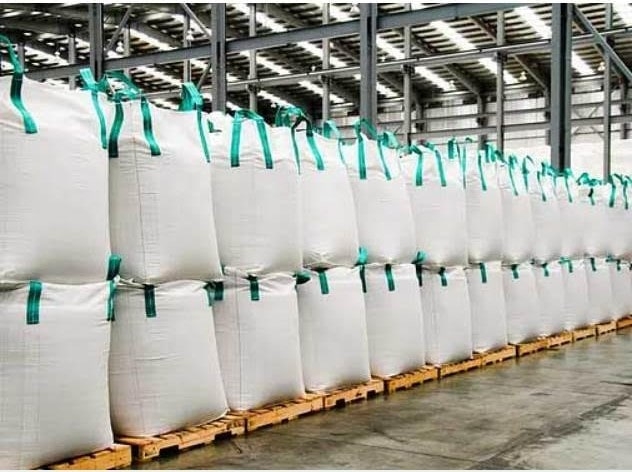
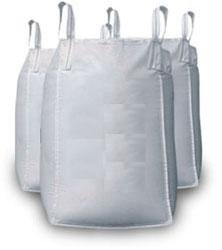
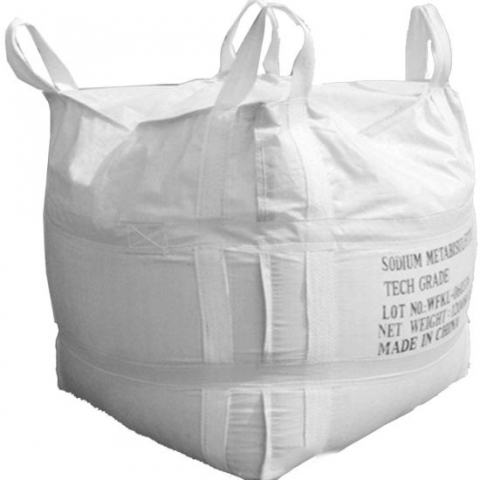
What Are Grain Bags?
Grain bags are typically made from durable materials like woven polypropylene (PP), which provides strength, tear resistance, and UV protection. They come in a variety of sizes, ranging from small 10-20 kg bags to large industrial-scale bags capable of holding thousands of kilograms of grain. The material is breathable, allowing air circulation, which helps prevent moisture buildup, mildew, and spoilage.
Features and Benefits of Grain Bags
- Durability and Strength: Grain bags are designed to withstand heavy use, including exposure to harsh weather conditions such as wind, rain, and UV rays. The woven polypropylene material ensures that the bags are tear-resistant, making them ideal for heavy-duty storage.
- Breathability: One of the main features of grain bags is their breathable construction, which helps maintain proper airflow within the bag. This is critical in preventing moisture accumulation, which can lead to mold or spoilage of the grains. The breathable fabric allows the grain to stay dry and safe for extended periods.
- Cost-Effective Storage: Compared to traditional grain silos, grain bags are a much more affordable storage option. They are easy to transport and do not require significant infrastructure investment. For farmers or businesses looking for a temporary or flexible storage solution, grain bags offer an efficient, low-cost alternative.
- Ease of Use: Grain bags are relatively easy to use, with simple mechanisms for filling and emptying. They can be filled with grain directly from a harvester, and once filled, they can be stored in open fields, warehouses, or silos. This makes them a versatile solution for many agricultural operations.
- Space-Saving: Grain bags require less space compared to large silos or other storage facilities. They are stackable and can be placed on the ground, which maximizes the available space and reduces storage costs.
- Weather Resistance: Grain bags are weather-resistant and can be used outdoors, even in regions with extreme temperatures or unpredictable weather patterns. The material protects the contents from water, dirt, and pests.
- Pest Control: The design of grain bags helps prevent infestations by limiting access for rodents, insects, and other pests. Many grain bags come with additional features like UV-treated covers or sealed openings to further protect against pests.
- Flexibility: Grain bags come in a range of sizes and can be used for various grains and other agricultural products. The flexibility in size and design makes them suitable for both large-scale agricultural businesses and smaller farms.
- Environmental Impact: Many grain bags are made from recyclable materials, offering a more eco-friendly alternative to other types of bulk storage containers. Additionally, since grain bags can be used multiple times, they help reduce the overall consumption of resources.
Types of Grain Bags
- Small Grain Bags: Small grain bags are typically used for retail or home storage purposes. These bags are ideal for storing small quantities of grain, such as 10-20 kg bags, and are often used for packaging grains for sale in local markets or grocery stores.
- Large Grain Storage Bags: Large grain storage bags are commonly used in commercial farming operations. These bags are typically much larger and can hold 1,000 to 2,000 kg of grain or more. They are perfect for storing grains from harvests and can be used to store grains in bulk for longer periods.
- Grain Transport Bags: Grain transport bags are specifically designed to make the transportation of bulk grains easy and efficient. These bags are usually sealed to prevent spillage or contamination during transport and are often used in conjunction with trucks, railcars, or ships to move grains to different locations.
- Grain Bags with UV Protection: Some grain bags are treated with UV inhibitors to prevent degradation from prolonged sun exposure. This is particularly useful for outdoor storage in regions with intense sunlight, where UV rays can damage both the bags and the grain.
- Bio-Degradable Grain Bags: Bio-degradable grain bags are an environmentally friendly option made from plant-based materials that decompose over time. These bags help reduce the environmental impact compared to conventional plastic bags, and are ideal for farms seeking more sustainable storage solutions.
Applications of Grain Bags
- Farm Storage: Grain bags are widely used for storing harvested grain at farms. They provide a flexible, cost-effective solution for farmers who need temporary or off-season storage. Grain bags allow farmers to keep their grains safe until they are ready for sale or further processing.
- Transporting Grains: Grain bags are often used for transporting bulk grains to processing facilities, warehouses, or other distribution points. They are easy to load and unload and can be transported by trucks or railcars without the risk of spillage or contamination.
- Silo Alternative: For smaller or medium-sized farms that do not have the capacity to build large silos, grain bags serve as a convenient alternative. They offer temporary storage during harvest seasons and can be relocated if needed.
- Commercial Grain Handling: In commercial grain operations, grain bags provide an efficient and scalable storage solution. They help facilitate the smooth flow of grains from the harvest phase to storage and then to transportation or processing.
- Organic Grain Storage: Organic farmers often use grain bags to store grains in an environmentally-friendly way. The breathable nature of these bags helps maintain the quality of organic grains while protecting them from pests and environmental conditions.
- Emergency Grain Storage: Grain bags can be used in emergency situations, such as during natural disasters or for disaster relief efforts, to store grains temporarily until they can be safely transported or processed.
Frequently Ask Questions:
Q1. How long can grains be stored in grain bags?
Grains can be stored in grain bags for several months to a year, depending on factors like grain type, moisture content, and storage conditions. Grain bags help maintain the quality of the grain by preventing exposure to moisture and pests.
Q2. Can grain bags be reused?
Yes, grain bags can often be reused if they are properly cleaned and maintained. After each use, inspect the bags for damage and clean them thoroughly before storing new grain.
Q3. Are grain bags safe for all types of grain?
Grain bags are suitable for most types of grain, including wheat, corn, barley, and rice. However, it’s important to ensure the bag is appropriate for the specific grain’s moisture content and storage needs.
Q4. Can grain bags be used for non-food items?
Yes, grain bags can be used for storing other bulk materials, such as seeds, fertilizers, and certain types of feed or animal bedding.
Q5. How much weight can a grain bag hold?
The weight a grain bag can hold varies depending on the size and material. Large industrial-grade bags can typically hold between 1,000 to 2,000 kg of grain or more.