
Red Carpet: An Icon of Elegance and Prestige
Discover a wide range of high-quality storage tents designed for secure and weather-resistant protection. Built with durable materials, these tents provide spacious and versatile storage solutions for equipment, inventory, and industrial use. Whether you need temporary or long-term storage, our tents are easy to set up, reliable, and designed to withstand various environmental conditions.
Find the perfect storage tent to keep your goods safe and organized in any setting. A red carpet is a special type of carpet that is often associated with high-profile events, celebrities, and prestigious occasions. It symbolizes luxury, exclusivity, and honor.
Whether it’s laid down at award shows, gala events, or important ceremonies, the red carpet creates a sense of grandeur and provides a moment of attention for those who walk on it. It’s a piece of fabric that conveys significance, style, and celebration.

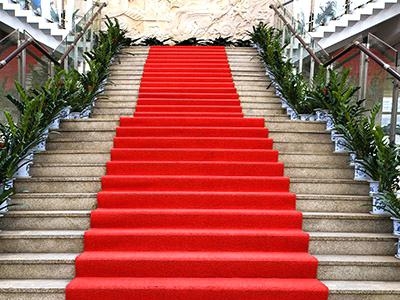
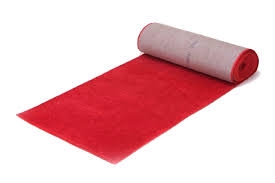
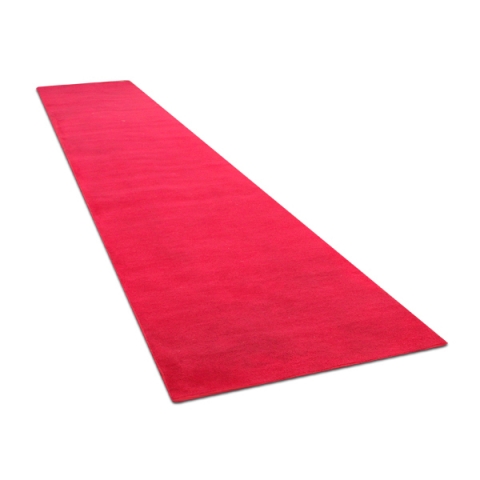
What is a Red Carpet?
A red carpet is a long, typically red-colored fabric or rug, often made from high-quality materials like wool, nylon, or polyester, designed to provide a striking visual backdrop. The tradition of using a red carpet for formal events dates back to ancient Greece, where a “purple” carpet was used to welcome gods and heroes. Today, the modern red carpet is symbolic of prestige and celebration, rolled out for dignitaries, celebrities, or important guests to walk upon during special occasions.
Features and Benefits of Red Carpets
- Symbol of Prestige and Honor: The red carpet is historically associated with royalty, elites, and special ceremonies. Rolling out a red carpet signifies the importance of an individual or event, setting the tone for a prestigious atmosphere.
- Visual Appeal: A red carpet makes a bold visual statement and enhances the overall aesthetics of an event. It creates a path of attention, making it the focal point for photographers and media coverage, especially at celebrity events or award shows.
- Creates a Luxurious Experience: Walking on a red carpet gives individuals a sense of being treated with luxury and special treatment, elevating their experience of attending the event. The luxurious look of the carpet also adds an element of class and style to any gathering.
- High-Quality Material: Most red carpets are made from durable, high-quality materials that can withstand heavy foot traffic. The texture and thickness of the carpet add to the feeling of exclusivity, ensuring it remains pristine even during extended use.
- Versatility for Events: Red carpets are not limited to award shows or premieres. They are used for a wide range of events, including grand openings, political gatherings, product launches, weddings, and gala dinners, providing a touch of elegance to any occasion.
- Professional Image: In business events or conferences, rolling out a red carpet for VIPs or distinguished guests helps project a professional, polished image. It shows that the organizers are making an effort to honor their guests, making the event feel more sophisticated and well-organized.
- Celebrity and Media Attention: One of the most common uses of the red carpet is during celebrity events like film premieres, fashion shows, and award ceremonies (e.g., the Oscars). It serves as a platform for photographers and media outlets to capture the celebrities in their finest outfits, further amplifying the glamour of the event.
- Event Branding: Custom-designed red carpets can incorporate logos, slogans, or branding elements, making them an excellent choice for corporate or promotional events. These branded carpets enhance the event’s overall impact and leave a lasting impression on attendees.
Types of Red Carpets
- Traditional Red Carpet: The classic version of the red carpet is the one most commonly seen at award shows and public events. It’s typically made from luxurious materials and has a rich red hue. These carpets often feature plush designs and a shiny finish to add to the elegance.
- Portable Red Carpets: These carpets are used for events that require a quick setup and takedown. Portable red carpets are lighter and easier to handle, often being rolled up for transportation and storage. These are commonly seen at product launches, conferences, and temporary event locations.
- Custom Red Carpets: For special events, you can opt for a custom-designed red carpet that incorporates specific branding or thematic elements, such as logos or graphics. These personalized carpets add an extra layer of exclusivity and can be used for corporate or promotional purposes.
- Roll-Up Red Carpets: These are typically found at larger events and can be easily unrolled to cover long stretches of ground, creating a dramatic entryway for guests. They are commonly used at outdoor events, red carpet premieres, or festivals.
- Mini Red Carpets: Mini red carpets are smaller versions, often used for intimate settings or ceremonies. They provide the same elegance as the larger ones but are more suited to smaller venues, such as weddings, private parties, or VIP entrances.
Uses and Applications of Red Carpets
- Award Shows and Film Premieres: The most iconic use of the red carpet is at high-profile film festivals, award ceremonies (such as the Oscars or Golden Globes), and movie premieres. Celebrities and public figures walk the red carpet to show off their outfits and pose for photographers, making it a central part of the event’s media coverage.
- Corporate Events and Conferences: Red carpets are often used to create a memorable experience for VIPs or dignitaries attending corporate conferences, business launches, or corporate parties. They make the event feel more exclusive and convey a sense of professionalism.
- Weddings and Gala Events: For formal weddings, anniversaries, or gala dinners, a red carpet provides a luxurious and dramatic entrance for the bride, groom, or honored guests. It adds a sense of grandeur to the occasion and creates a focal point for guests to admire.
- Product Launches: When introducing a new product or service, businesses may use a red carpet to draw attention to the product’s importance and make the event feel more glamorous. It’s an excellent way to make a lasting first impression.
- Political and State Events: Red carpets are often rolled out for visiting dignitaries, heads of state, or prominent political figures attending official functions. It is a sign of respect and honor, ensuring that such important individuals receive a special welcome.
- Celebrity Meet-and-Greets: For events where celebrities interact with fans, a red carpet is often set up to give the event an air of exclusivity and excitement. It’s a fun way to engage the public and offer them a sense of connection with their favorite stars.
- Retail Grand Openings: Retailers or luxury brands may roll out a red carpet during their store grand openings to set the tone for a lavish event. It draws attention to the store and makes customers feel like they are part of something special.
- Charity Events and Auctions: Red carpets are also popular for charity galas, auctions, and fundraisers, where donors and guests are welcomed with prestige and a touch of glamour. It helps create a memorable and upscale atmosphere that encourages donations.
Frequently Ask Questions:
Q1. Why is a red carpet used?
A red carpet is used to create an atmosphere of exclusivity, luxury, and prestige. It serves as a way to honor guests, celebrities, or dignitaries, making them feel important and adding a touch of elegance to an event.
Q2. Can a red carpet be reused?
Yes, red carpets are often reusable. They are designed to be durable and can be rolled up and stored for future events, depending on their material and condition.
Q3. How long should a red carpet be for an event?
The length of the red carpet depends on the event’s needs. It should be long enough to create a clear path from the entrance to the venue or stage, often covering the full length of the entrance or walkway.
Q4. Can red carpets be used outdoors?
Yes, red carpets can be used outdoors, but it’s important to ensure that they are made from weather-resistant materials. Some red carpets are specifically designed for outdoor events, featuring additional durability for elements like wind and rain.
Q5. Are there any alternatives to a red carpet?
While the red carpet is the most iconic, other colors like gold, black, or white carpets are sometimes used, depending on the event’s theme or branding. However, the red carpet remains the most popular choice for formal and glamorous occasions.