
Disaster Tents: Essential Shelters for Emergency Situations
Discover a wide range of high-quality storage tents designed for secure and weather-resistant protection. Built with durable materials, these tents provide spacious and versatile storage solutions for equipment, inventory, and industrial use. Whether you need temporary or long-term storage, our tents are easy to set up, reliable, and designed to withstand various environmental conditions.
Find the perfect storage tent to keep your goods safe and organized in any setting. Disaster tents are specially designed temporary shelters used in emergency situations such as natural disasters, humanitarian crises, or other events that require immediate, short-term accommodation. These tents provide quick protection for affected individuals or groups, ensuring safety and comfort in the face of adversity.
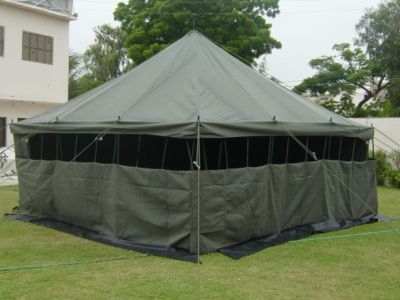
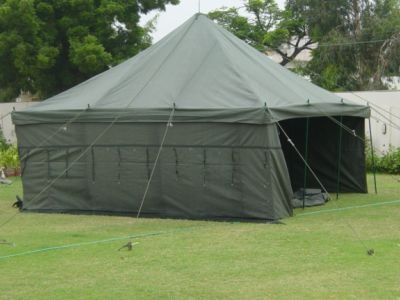
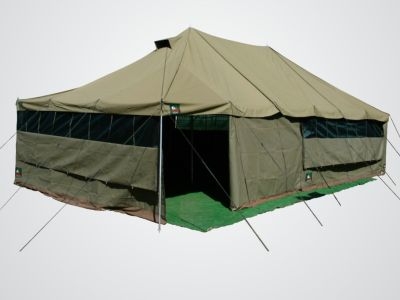
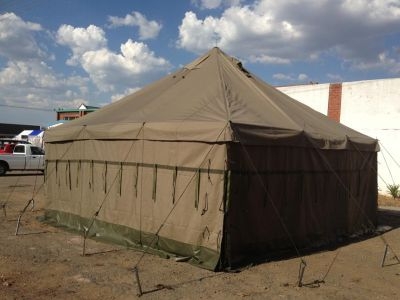
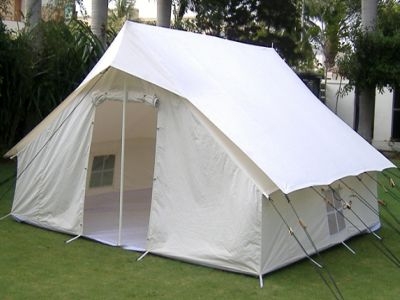
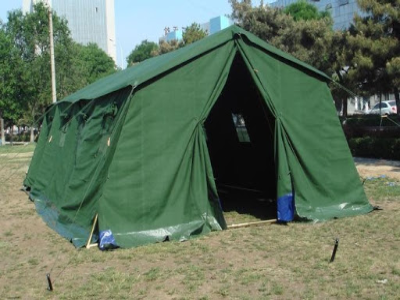
What Are Disaster Tents?
Disaster tents are portable, lightweight, and easy-to-assemble shelters made from durable materials such as high-quality fabric, polyester, or PVC. These tents are used to offer temporary housing, medical facilities, storage, or command posts for emergency responders during or after a disaster. They are designed for quick deployment and use in situations where permanent structures are not available or practical.
Features and Benefits of Disaster Tents
- Quick Setup: Disaster tents are designed for fast and easy assembly. Many models come with color-coded poles, simple instructions, and no tools required, enabling quick deployment in emergency situations.
- Weather Resistance: These tents are built to withstand harsh weather conditions, including heavy rain, high winds, and extreme temperatures. The materials used are typically waterproof, UV-resistant, and fire-retardant to ensure protection in various environments.
- Durability and Strength: Constructed from robust fabrics and high-strength frames, disaster tents are designed to handle wear and tear over extended periods. They can resist damage from heavy winds, storms, or rough handling, ensuring reliable protection during critical situations.
- Versatile Use: Disaster tents can be used for a wide variety of purposes, including temporary housing, medical treatment areas, storage for supplies, disaster relief distribution points, and command centers for emergency response teams.
- Spacious Interiors: Many disaster tents are designed with ample space to accommodate multiple individuals or groups, ensuring that people have enough room to shelter, sleep, or receive medical care. These tents can also be divided into separate sections for different functions, such as sleeping quarters and medical treatment areas.
- Portability and Ease of Transport: Designed to be lightweight and compact, disaster tents are easy to transport and set up. They are often supplied with carry bags or cases for convenient storage and transportation, making them suitable for deployment to remote or disaster-stricken areas.
- Ventilation: Proper ventilation is crucial in disaster situations to prevent the buildup of moisture and ensure the comfort of the occupants. Many disaster tents come with mesh windows or vents to allow airflow while keeping out insects and dust.
- Hygiene Facilities: Some disaster tents are equipped with basic hygiene features such as portable toilets, sinks, and showers to maintain cleanliness and prevent the spread of diseases in emergency shelters.
Types of Disaster Tents
- Emergency Shelters: These tents are designed to provide immediate shelter for displaced individuals after a disaster such as an earthquake, flood, or fire. They are typically large and spacious to accommodate families or groups.
- Medical Tents: Medical disaster tents are equipped to function as makeshift hospitals or clinics, providing a safe space for treating injured individuals, conducting surgeries, or offering first aid in the aftermath of a disaster. They may include features such as sterile areas, lighting, and medical supply storage.
- Command Post Tents: These tents serve as operations hubs for disaster relief agencies and emergency responders. They are equipped with communication tools, maps, and supplies to coordinate response efforts and manage resources effectively.
- Relief Distribution Tents: These tents are used by humanitarian organizations to distribute essential items such as food, water, clothing, and medical supplies to those affected by disasters. They are often set up in refugee camps or temporary settlements.
- Storage Tents: Storage tents are used to house essential goods and relief supplies in disaster zones. These tents are designed to keep materials safe from weather conditions and theft.
- Hygiene and Sanitation Tents: These tents are used to provide basic sanitation facilities, such as showers, toilets, and washing stations, to prevent the spread of diseases in overcrowded shelters.
- Temporary Housing Tents: Designed for longer-term use, these tents provide comfortable and semi-permanent accommodation for displaced individuals or families until they can return to their homes or move to more permanent housing.
Advantages of Disaster Tents
- Rapid Deployment: In disaster situations, time is of the essence. Disaster tents can be set up quickly and easily, providing immediate shelter and essential services to affected communities.
- Cost-Effective Solution: Disaster tents are more affordable than building permanent structures, making them a practical solution for providing temporary shelter and services during emergencies.
- Mobility and Flexibility: Disaster tents can be relocated easily to different areas as needed, allowing for flexible response in dynamic situations where conditions change rapidly.
- Safe and Secure: Disaster tents provide a secure environment for individuals to protect themselves from the elements, ensuring their safety during natural disasters or emergencies.
- Minimize Health Risks: By providing a clean, controlled space, disaster tents help to reduce the spread of diseases, offer access to sanitation, and maintain hygiene in overcrowded areas.
- Adaptability: Disaster tents can be customized to meet specific needs, whether for medical purposes, shelter, storage, or command posts, making them highly adaptable to different disaster response scenarios.
Frequently Ask Questions:
Q1. How long do disaster tents last?
The lifespan of disaster tents varies depending on the materials used and how well they are maintained. With proper care, they can last anywhere from a few months to several years, though they are typically designed for short-term use.
Q2. Are disaster tents suitable for extreme weather?
Yes, disaster tents are built to withstand harsh weather conditions. Look for tents made from waterproof, wind-resistant, and UV-protected fabrics, and choose a tent that matches the climate of the disaster zone.
Q3. Can disaster tents be used for long-term shelter?
While disaster tents are generally designed for temporary use, some models are durable enough for longer-term shelter, particularly in refugee camps or evacuation centers. However, they are not intended to replace permanent housing.
Q4. Can disaster tents be set up in remote areas?
Yes, disaster tents are designed for easy transportation and rapid setup in remote or difficult-to-reach areas. They are lightweight and can be deployed with minimal resources.
Q5. How do I maintain a disaster tent?
To maintain a disaster tent, ensure it is regularly cleaned, dried after use, and stored in a cool, dry place. Repair any tears or damage promptly, and treat the fabric for waterproofing as needed.